
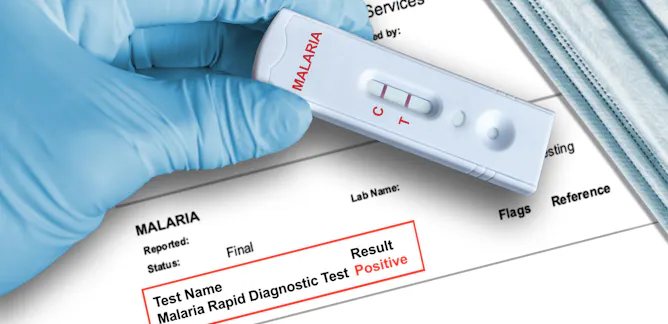
Evidence shows that malaria parasites in some locations have changed their genetic make-up so that they can evade rapid diagnostic tests.
Ifakara Health Institute

IHI is best-known for its contributions to malaria research. The organisation hosts the most advanced malaria vector research group in Africa; providing new insights on vector ecology, developing and testing new control methods, and providing surveillance on malaria transmission. On the clinical side, IHI’s research portfolio includes malaria vaccine trials as well as studies to test the effectiveness of drugs and diagnostics.
In recent years, the Institute has developed new research themes, including Maternal and Neonatal health, HIV, Tuberculosis and other major challenges of public health importance.
Links
Articles

Treatments for uncomplicated malaria remain mostly robust. But the arsenal against severe malaria and deaths is rapidly weakening. New options are urgently required.
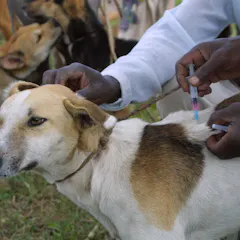
Domestic dogs have been shown to be the only species necessary to maintain rabies across most of Africa. This means that dog vaccination should control the disease in all species.
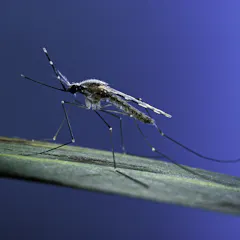
Malaria control must move away from relying too much on insecticides to more innovative and sustainable options. Genetic programming of mosquitoes is one.

Scientific knowledge is a critical driver for human health and wellbeing, economic development and environmental sustainability.

If not addressed, there will be many more deaths from malaria and other diseases, indirectly linked to COVID-19 disruptions.
