

Class-war rhetoric from Democratic candidates jams working-class voters into a prefabricated progressive agenda, an expert on rural and working-class communities argues.
Colby College

Founded in 1813, Colby is the 12th-oldest private liberal arts college in the country. Located in central Maine, the college’s 714-acre Mayflower Hill campus overlooks downtown Waterville and the Kennebec River Valley.
Colby’s 2,000 students come from nearly every state and more than 70 countries to take advantage of renowned academic programs, a curriculum that encourages educational exploration and collaborative learning experiences led by world-class professors.
The college’s exploratory Jan Plan term, extensive study-abroad opportunities and graduate-level research experiences are pillars of the Colby education. In both the classroom and the field, students work closely with professors—a collaboration that is transformational for both and often results in lifelong connections.
Cocurricular and campus life programs optimize learning opportunities and help students develop leadership and communication skills. Members of the Colby community come from a range of backgrounds and offer diverse perspectives. Every member of the community has different experiences to share, enriching classroom and dining hall discussions.
Links
Articles

Graham Platner’s Senate campaign has imploded amid credible accusations of rape. A Maine political scientist looks at what happened and how the populist Platner resembles Donald Trump in key ways.
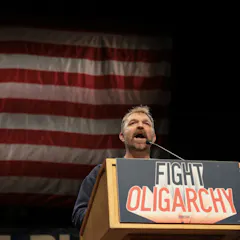
Si le parti démocrate ne fait plus autant recette qu’auparavant auprès des travailleurs, c’est en bonne partie du fait de son glissement vers la gauche sur un ensemble de questions.
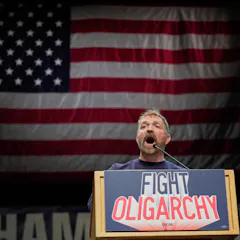
Class-war rhetoric from Democratic candidates jams working-class voters into a prefabricated progressive agenda, an expert on rural and working-class communities argues.

State resistance to federal immigration enforcement in Minnesota illustrates how federalism keeps authority divided and disputed.
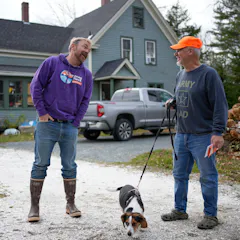
Whether Maine’s Graham Platner wins or loses, his campaign to knock off longtime GOP Sen. Susan Collins already points to a deeper question: Can Democrats do more than rent rural authenticity?

Tim Walz, issu d’un État rural, est notamment censé permettre à Kamala Harris de séduire l’électorat des campagnes, qui penche plutôt vers Donald Trump.

It takes more than camo hats, hot dish and a rural-friendly image to get the votes of America’s rural residents.

André Weil was a mathematician. His sister Simone Weil was a philosopher. They both thought deeply about the nature and value of mathematics and mathematics education.

Yes, American politics is getting uglier. Here’s why.
